Mini metal USB keys combine durable construction with a compact design, making them highly portable and resistant to physical damage. They primarily feature a robust metal casing, plug-and-play functionality, and standard data transfer capabilities.
Core Features
- Durable Metal Construction: The primary feature is a robust metal casing (often aluminum alloy or stainless steel) that protects the internal flash memory chip from physical shocks, pressure, dust, and moisture, offering greater longevity than plastic drives.
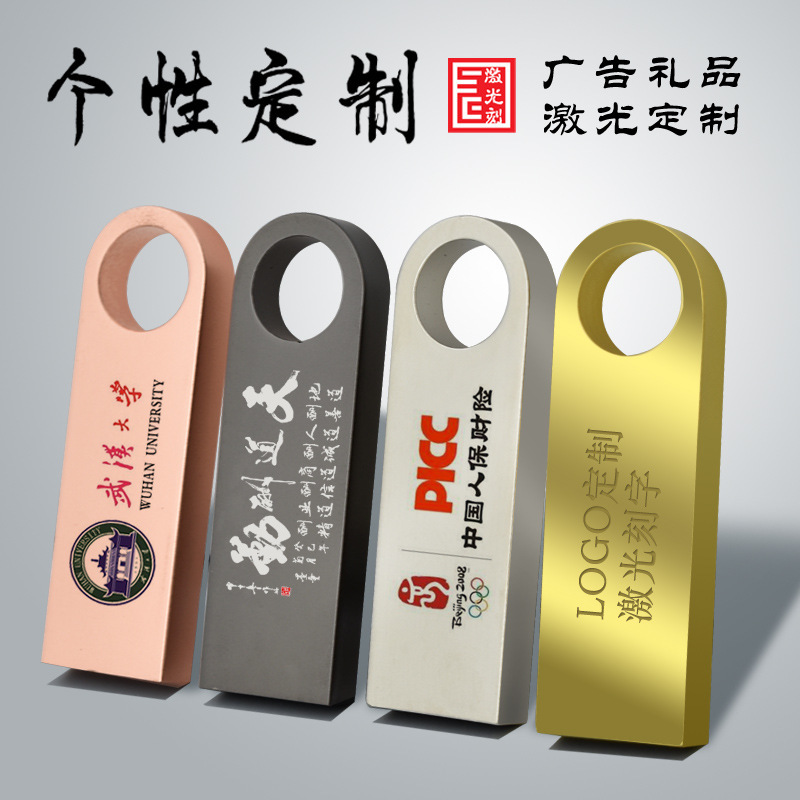
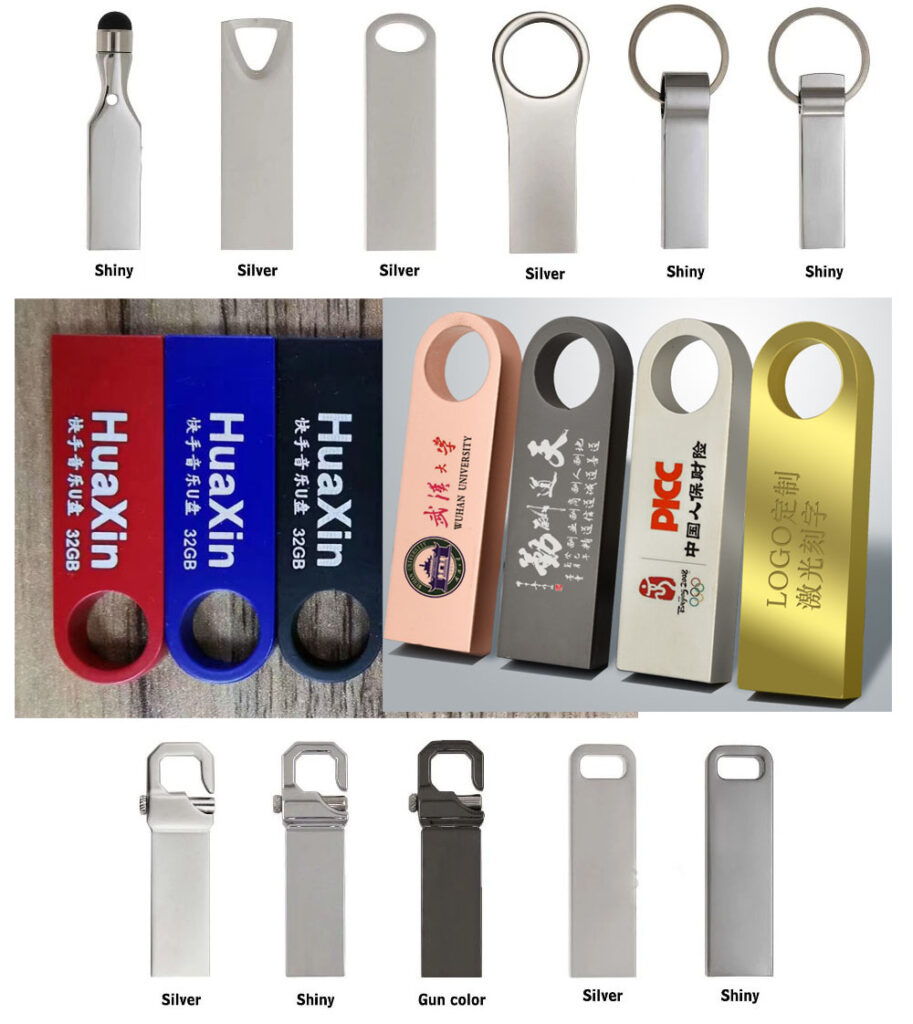
- Compact & Portable Design: These drives are typically very small, often key-shaped or “mini” form factors, and usually include a keyring hole or hook for easy attachment to a keychain, lanyard, bag, or purse.
- Plug-and-Play Functionality: They use the USB mass storage device class standard, allowing seamless compatibility with most operating systems (Windows, Mac, Linux) without requiring extra software or drivers.
- Data Storage and Transfer: The fundamental function is data storage, available in a wide range of capacities (e.g., 2GB, 32GB, 64GB, up to 128GB and beyond) and supporting various USB interfaces like USB 2.0 or high-speed USB 3.0.
- Resistance to Environmental Factors: Many mini metal USB drives are designed to be water-resistant, shockproof, and dustproof, further protecting your important files from environmental damage.
- Low Power Consumption: They draw power directly from the connected device via the USB port and generally have low power consumption.
- Customization: The metal surface is well-suited for customization options like laser engraving of logos or designs, making them popular for promotional use.
- Long Data Retention: Data stored on the flash memory chip is designed for long-term retention, often cited as more than 10 years.